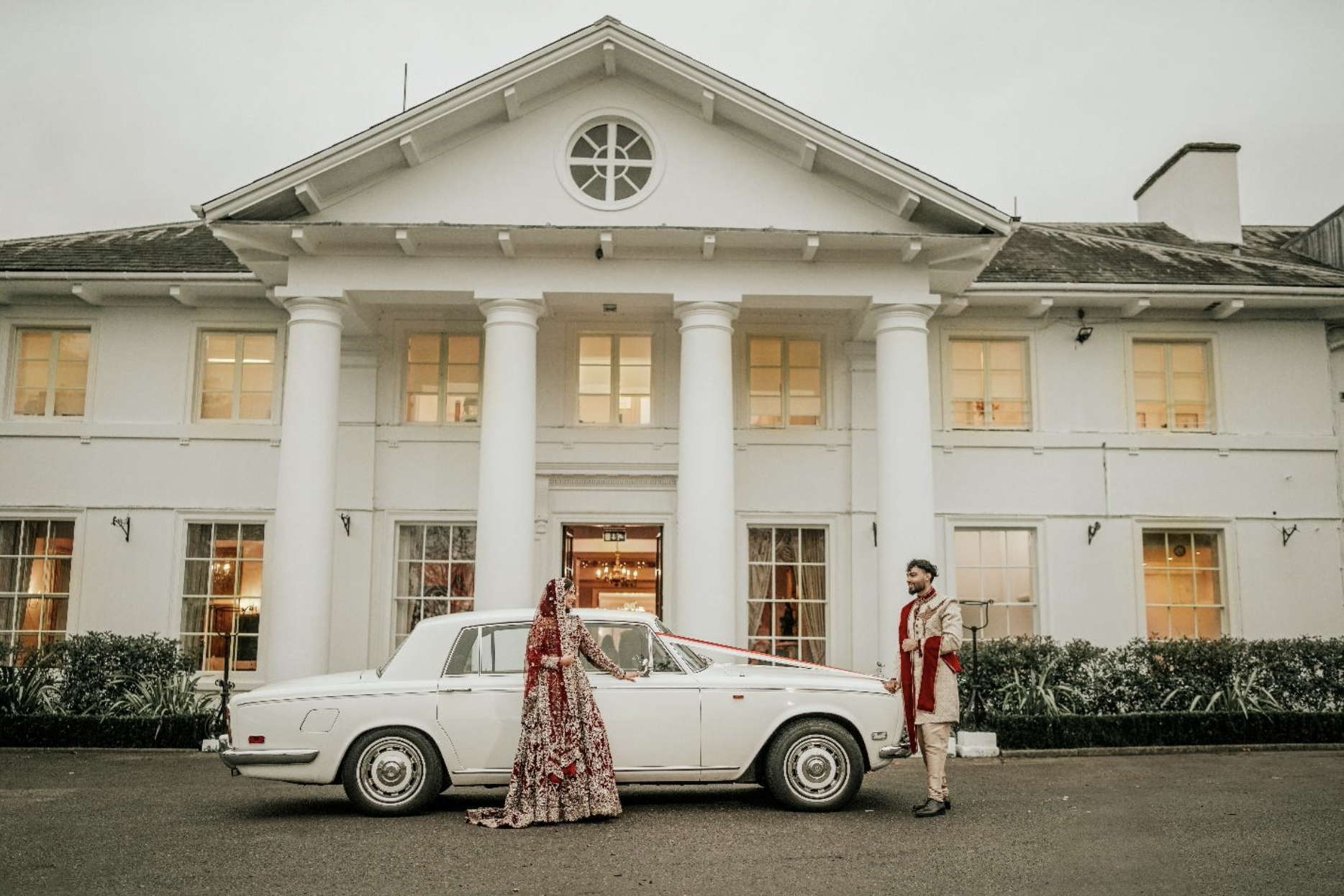
An Indian wedding is a breathtaking fusion of rich heritage, deep emotional rituals, dynamic color, and exuberant celebration. From the delicate intricate detail of the bridal henna to the high-energy beat of the dhol during the Baraat, these multi-day festivities present endless opportunities for spectacular visual storytelling.
However, documenting a South Asian celebration comes with distinct logistical considerations. With multiple events spread over several days, hundreds of cherished guests, outfit changes, and sacred rituals guided by traditional priests, maintaining a seamless flow requires intentional planning.
Balancing spontaneous, emotional moments with essential family portraits and sacred custom coverage ensures your wedding imagery reflects the true joy and beauty of your heritage.
Why Documentary Visual Storytelling Suits Indian Weddings
Traditional photography relies heavily on rigid, structured posing and long, static family lineups. While formal group photos remain an important family record, an over-reliance on forced posing can disrupt the natural momentum of an Indian wedding.
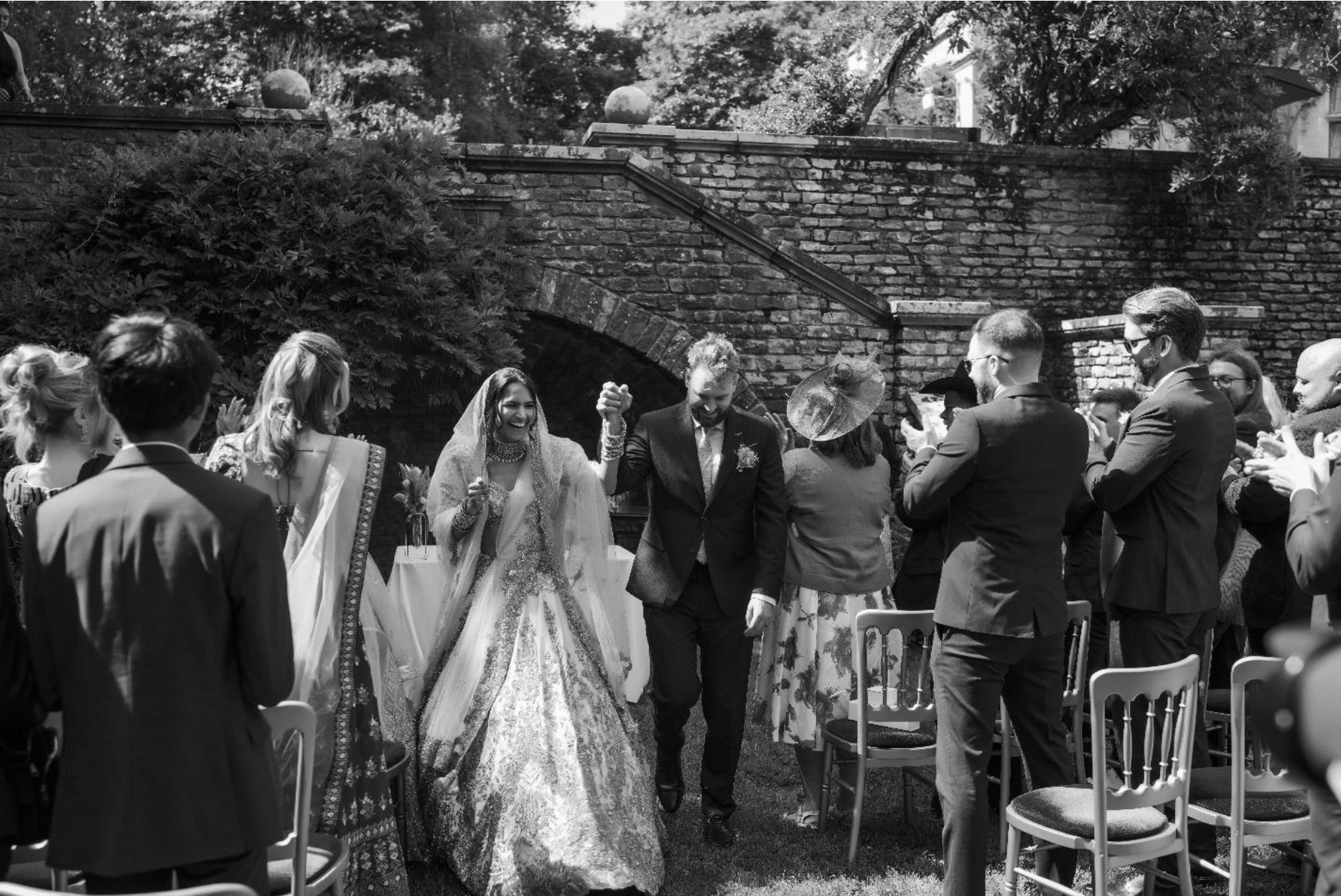
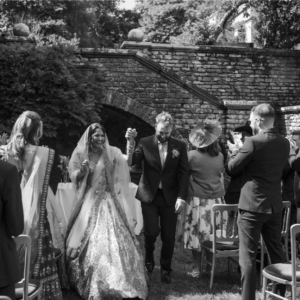
Documentary storytelling focuses on capturing candid emotion as it occurs, allowing you and your family to remain fully present in each ritual without feeling constantly directed by a camera crew.
- Capturing raw emotional reactions: The tearful farewell during the Doli or Vidai, unscripted laughter during the Haldi, and quiet glances during the Pheras carry immense emotional weight that cannot be staged.
- Honoring vibrant textures and detail: Intricate embroidery on bridal lehengas, heirloom jewelry, floral Mandap decor, and vivid turmeric paste capture naturally when photographed under soft ambient lighting.
- Unobtrusive ritual coverage: Experienced documentary teams navigate crowded Mandaps and lively dance floors discreetly, capturing authentic perspective shots without obstructing the view of your guests or religious officiants.
How to Structure Your Multi-Day Indian Wedding Timeline
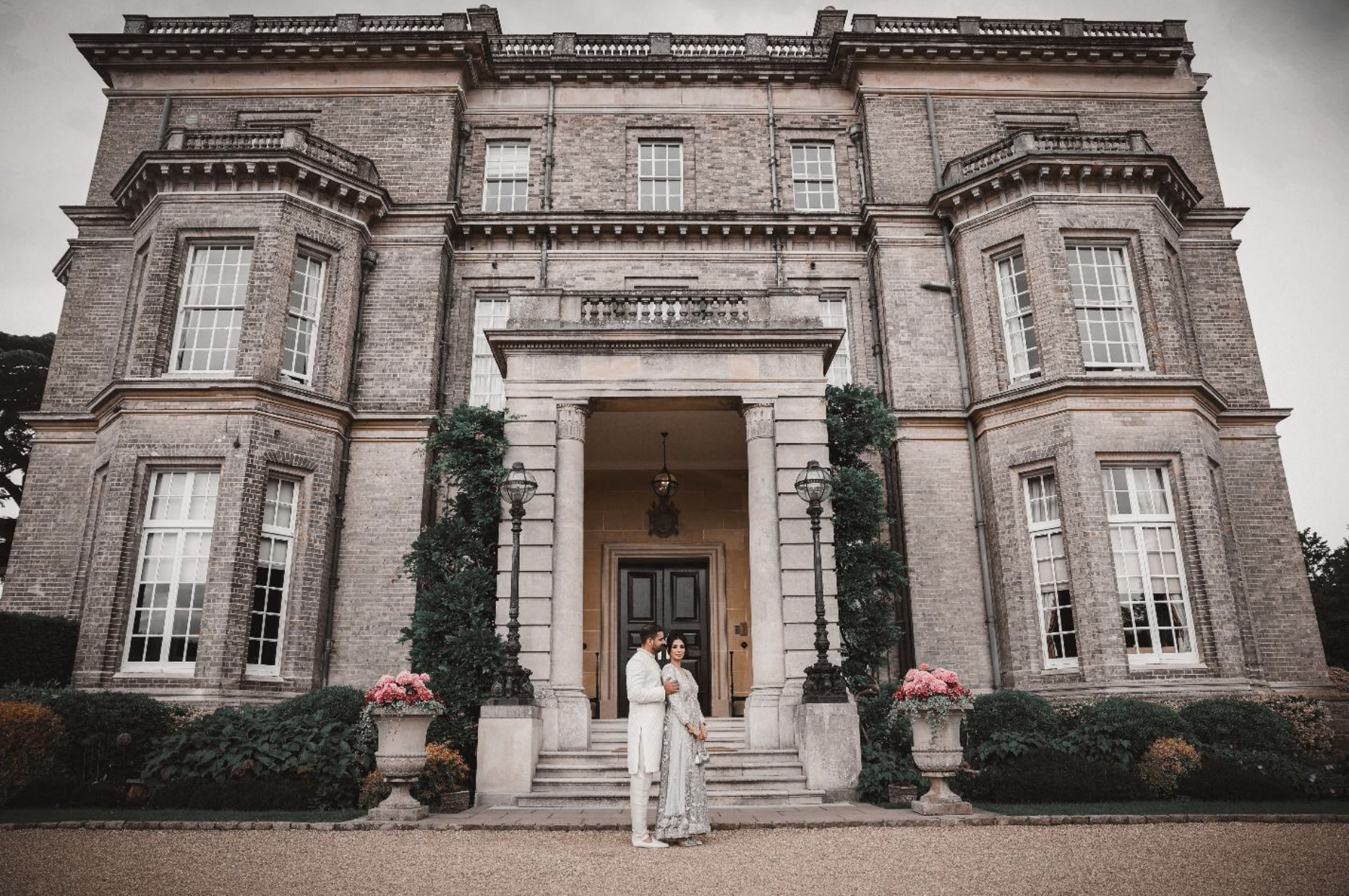
The key to stress-free photography during a multi-day celebration is building buffer time into every stage of your schedule. Indian weddings naturally evolve, and minor delays during morning prep or priest consultations can easily cascade across the day.
Implementing a structured yet flexible schedule gives your photography team time to capture every important element while keeping your energy high.
1. Pre-Wedding Rituals (Mehndi, Haldi, & Sangeet)
Pre-wedding events set the festive tone for the main ceremony. Because these gatherings are naturally informal and lively, they offer perfect opportunities for candid coverage.
- Mehndi artist coordination: Schedule your photographer to arrive when your bridal henna is approximately 80% complete. This allows them to document fine hand details, makeup application, and close family interactions without requiring hours of waiting.
- Haldi timing: Allocate at least 60 to 90 minutes for the Haldi ritual. Turmeric throwing and water blessings happen fast, so ensuring your photo team is positioned before the fun starts is crucial.
- Sangeet performances: Share a copy of your performance line-up with your visual team in advance so they know where family members will enter and exit the stage.
2. The Main Ceremony Day & Baraat
Ceremony days involve tight windows, complex wardrobe adjustments, and strict venue access times.
- Bridal prep buffer: Allow 2.5 to 3 hours for bridal hair, makeup, and outfit dressing. Ask your artist to finish 45 minutes before departure so your photographer can document final touches, family blessings, and solo bridal portraits calmly.
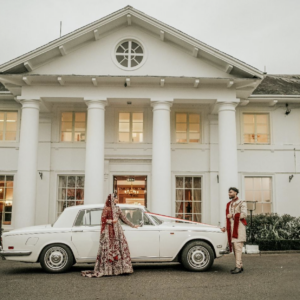
- Baraat energy and timing: Allocate 45 to 60 minutes for the groom’s procession. Capturing the groom on a horse or in a vintage car surrounded by dancing family members requires two photographers to cover both the crowd energy and the groom’s reactions.
- Milni and Welcome: Allow 30 minutes for the formal greeting of families and garland exchanges before the ceremony begins.
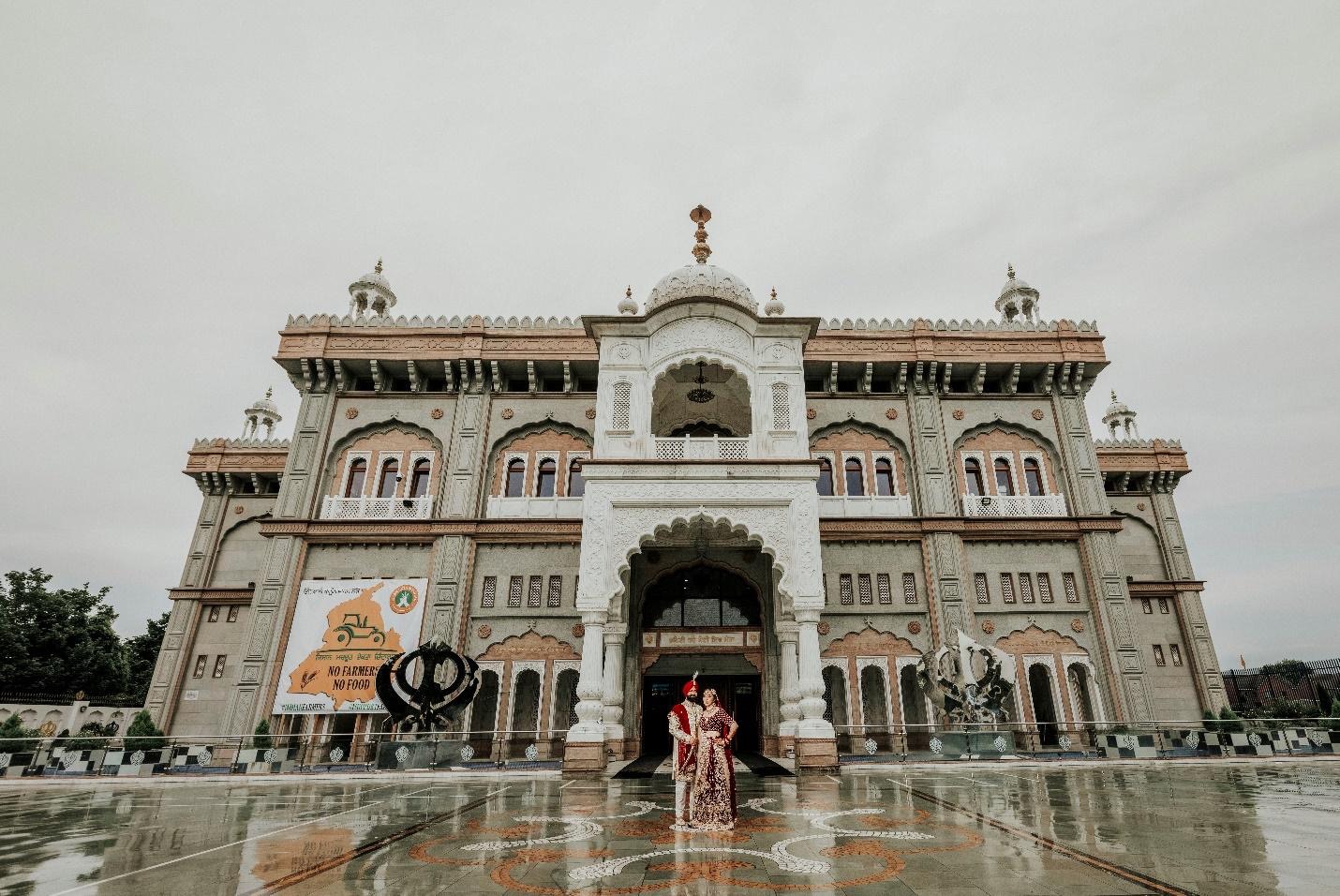
- Mandap rituals: Whether you are having an Anand Karaj, Hindu ceremony, or Nikah, brief your team on specific customs like the Kanyadaan, Mangalsutra, or Lavaan so they are pre-positioned for key moments.
3. Couple Portraits & Reception Party
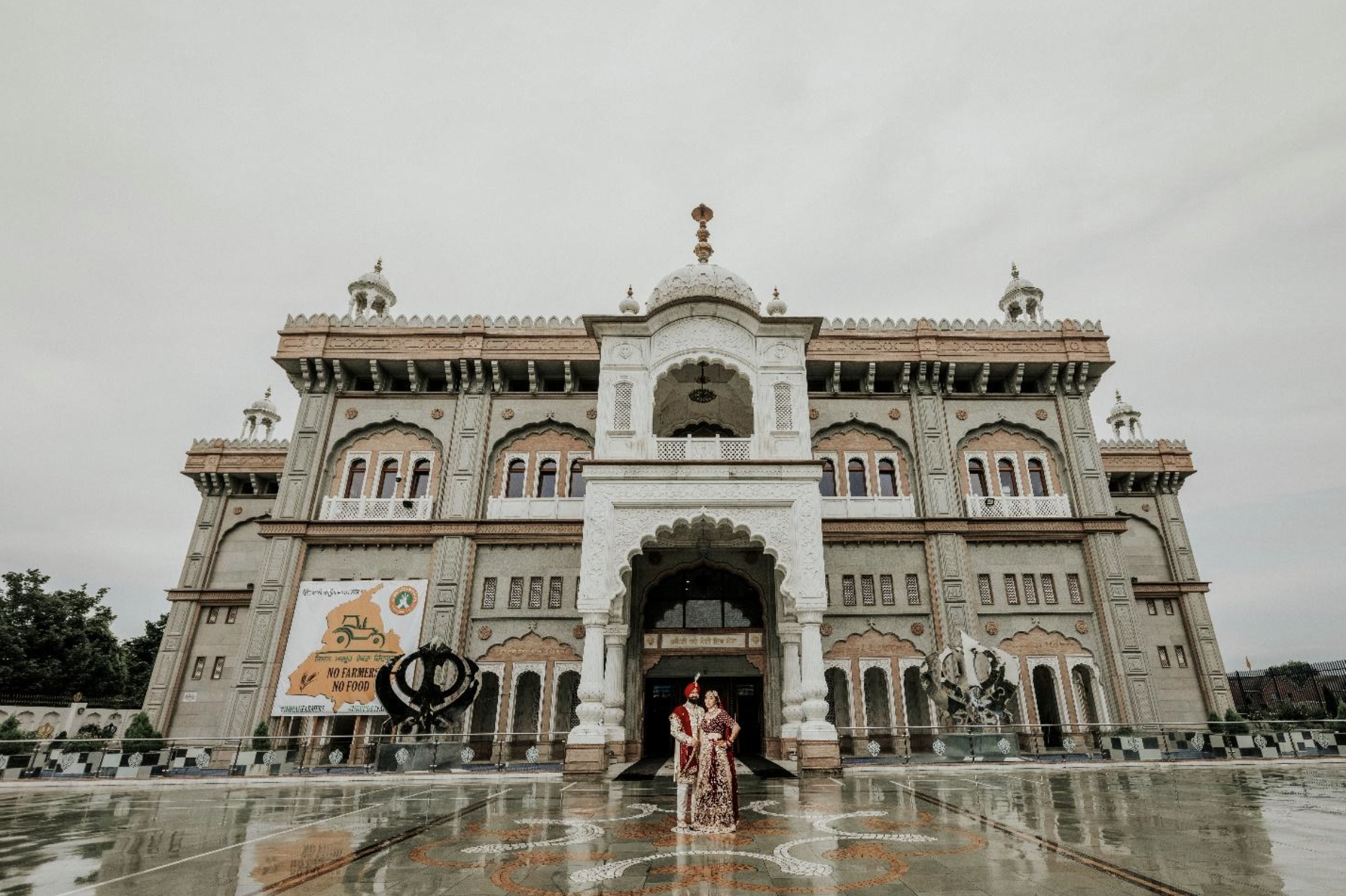
Transitioning from sacred traditional ceremonies to a glamorous evening reception requires dedicated time for portraiture and outfit changes.
- Post-ceremony portrait window: Schedule a short 20-minute couple portrait session immediately following the ceremony while you are still in your traditional attire.
- Evening reception prep: Allow sufficient time for hair and wardrobe restyling before guest arrival.
- Room reveals: Request a 15-minute private window in the reception ballroom before guests enter. This allows your photography team to capture undisturbed wide shots of the decor, floral installations, lighting design, and cake setup.
Essential Photography Tips for South Asian Weddings
Working with a team that thoroughly understands South Asian customs and lighting nuances makes a significant difference in your final album quality.
- Choose a team with cultural expertise: A crew familiar with Indian wedding customs understands where to stand during key rituals, preventing missed moments or accidental disruption of sacred rites.
- Prioritize low-light capabilities: Sangeets, late-evening receptions, and indoor Mandaps often feature dramatic ambient lighting. Ensure your visual team uses professional equipment capable of capturing crisp images in low-light environments.
- Integrate photo and video workflows: Booking an integrated team guarantees that photographers and cinematographers coordinate movements smoothly rather than competing for camera angles during fast-moving events like the Baraat or Joota Chupai.
- Select local specialists: For celebrations hosted in major metropolitan areas, working with established specialists in Indian wedding photography London ensures your team is familiar with top venue layouts, lighting setups, and local logistics.
How to Manage Group Family Portraits Efficiently
Indian family networks are large, loving, and passionate about taking photos together. Without a clear strategy, family formal sessions can easily stretch past an hour, causing timeline delays and guest fatigue.
- Keep formal combinations under 12 groups: Reserve formal stage photos for immediate family, grandparents, and key extended relatives.
- Appoint two family helpers: Assign one family member from each side who knows key relatives to gather groups while the current group is being photographed.
- Utilize reception table visits: Instead of attempting to photograph every distant relative on stage during the afternoon, use informal table visits during the reception dinner to capture wider guest groups.
 View the Gallery