
There’s a pattern Italian wedding planners see again and again. A couple flies out for a long weekend — Venice in October, maybe, or three days on one of the northern lakes — and comes home engaged. Eighteen months later they’re back, this time with forty guests and a marquee licence.
It makes sense once you’ve been. Italy is close enough for a spontaneous trip (two hours to Milan, two and a half to Venice or Pisa) and beautiful enough that the setting does most of the work. But the two occasions ask for completely different things. One is compressed into ninety seconds and lives or dies on surprise. The other unfolds over three days and lives or dies on coordination.
Chapter One: The Question
Venice, at the hour nobody sees it
The Venice most visitors experience runs from about ten in the morning until seven at night. It’s crowded, hot in summer, and almost impossible to be alone in. The Venice worth proposing in exists outside those hours.
At six in the morning the canals are flat. The only traffic is delivery barges moving crates of vegetables and wine, and sound carries differently across still water — you can hear voices two bridges away. The light comes in low and hits the stone from underneath, reflected off the surface. By eight it’s gone and the city belongs to everyone else again.
The same is true in reverse after about nine at night, when the day-trippers have gone back to the mainland and entire squares in Dorsoduro empty out. If you’ve ever wondered why photographers who work in Venice keep such strange hours, that’s why.
The city also hides its best rooms. There are private gardens behind walls on streets you’d walk straight past, and palazzo courtyards that have been hosting private moments for five centuries and still take bookings. None of them are findable on a map.
The logistics everyone underestimates
The hard part of proposing abroad isn’t the emotion. It’s that four separate things — a photographer, a boat, a table, and a person who mustn’t suspect anything — have to arrive in the same place within a few minutes of each other, in a city where nothing runs on wheels.
A few specifics that catch people out:
Gondola routes are a choice, not a default. The standard tourist circuit is exactly where you don’t want to be. The quieter canals require asking, and asking usually requires knowing the name of the route you want.
Photographers position themselves in advance. A good one will have scouted the spot at the same hour on a previous day, will already be in place when you arrive, and will look like a tourist until the moment happens. It’s a craft skill, and the people who have it get booked out months ahead for peak season.
The table matters more than the restaurant. A terrace with a view has perhaps four tables worth having, and they go weeks in advance. Booking the restaurant is not the same as booking the table.
The ring has its own paperwork. Travelling with a significant piece of jewellery is straightforward, but it involves insurance documentation and occasionally a customs declaration. Finding this out at the airport is the wrong time.
Almost all the work in planning a proposal in Venice therefore happens before anyone boards a plane. The day itself should feel improvised. Very little about it is.
Don’t leave the rest of the evening blank
People plan the question exhaustively and then forget everything after it. That’s a mistake, because the six hours following a proposal are the part you’ll both describe for the rest of your lives — who you rang first, where you ate, what was waiting in the room.
Book the celebration in advance even though it feels presumptuous. Nothing flattens the day like discovering every good table in the neighbourhood is taken.
The In-Between
Here’s the bit nobody warns you about: couples come to Italy for one city and fall for the country.
They go home engaged, and somewhere in the following months the conversation shifts from where shall we get married to could we do it back there. The second trip is a different exercise entirely. You’re no longer managing a surprise for one person — you’re managing travel, accommodation and expectations for forty. What worked for a proposal (density, enclosure, drama) becomes a logistical problem.
Which is why a lot of couples who get engaged in Venice end up marrying somewhere with more room to breathe. In practice that tends to mean one of two directions: the lakes, or the countryside.
Chapter Two: The Vows
The lakes: space, boats and borrowed grandeur
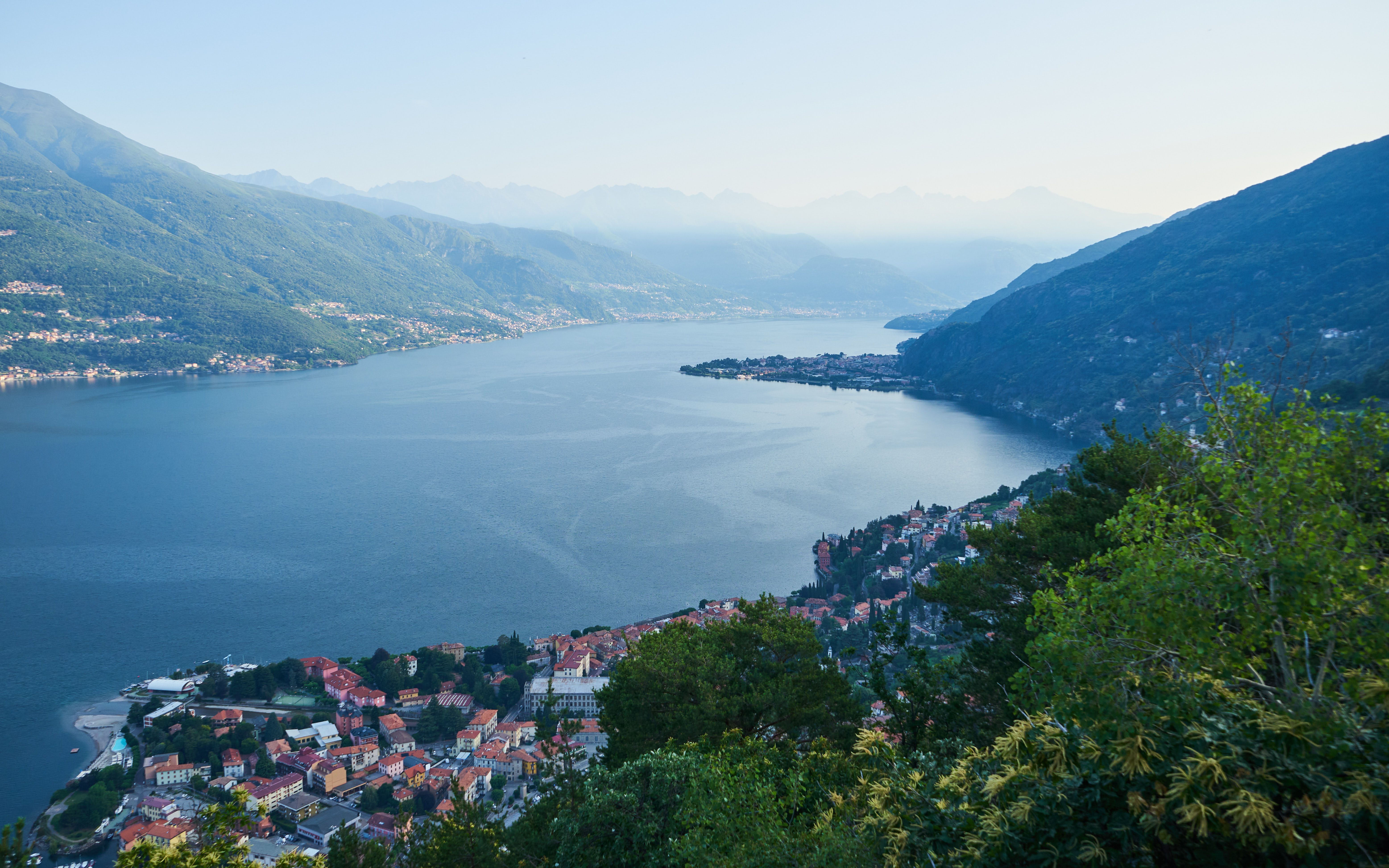
Como works for a wedding for reasons that are almost the inverse of Venice. There’s space. Guests can be housed within twenty minutes of each other. Boats replace coaches, and the transfer between venues becomes something people remember rather than endure. And the landscape does the decorating.
That last point is worth taking seriously, because it’s where budgets get wasted. When the venue is a seventeenth-century villa with frescoed ceilings and a terrace running down to the water, the designer’s job is restraint. Adding to a room like that mostly makes it look smaller.
The three towns that come up most are Bellagio, sitting at the point where the two branches of the lake meet and offering views in three directions at once; Varenna, quieter and more intimate, with smaller villas; and Tremezzo, home to the most photographed terraces on the lake. North of Como town, private villa rentals offer real seclusion for couples who want the setting without the audience.
The couples happiest with getting married on Lake Como are the ones who treat it as three days rather than one afternoon. A welcome dinner the night before, a boat excursion, a slow farewell brunch. Your guests have made the effort to come — give them something to come for.
The countryside: Florence and the Tuscan hills
If the lakes are about water and reflection, Tuscany is about warmth and food. It suits couples who want the day to feel like a long lunch that happened to include a ceremony.
Florence itself offers something the countryside can’t: ceremony rooms inside buildings that have been standing since the Renaissance, and a city compact enough that guests can walk between the hotel, the ceremony and dinner. The Sala Rossa in Palazzo Vecchio is the best known, and books far in advance.
Half an hour outside, the register changes completely. Wine estates in Chianti, converted farmhouses with olive terraces, villas with cypress avenues that photograph like a film set at six in the evening. Catering here isn’t an afterthought — you’re in one of the best eating regions in Europe, and a Tuscan wedding menu built around what’s actually in season will be remembered longer than the flowers.
The practical case for a Florence wedding is cost. Broadly speaking, the same guest list, the same standard of venue and the same three-day structure will run noticeably less in Tuscany than on Como, where lakefront villas carry a premium. If your budget is fixed and your guest list isn’t, the countryside gives you more room.
The Paperwork Question
This is where UK couples most often get caught out, and it’s worth understanding early because it shapes the whole plan.
Marrying legally in Italy as a foreign national involves documentation that has to be arranged before you travel, and the requirements have changed since Brexit. It’s entirely doable — thousands of British couples marry in Italy every year — but it isn’t something to start three weeks out, and the process differs depending on the region and the town hall.
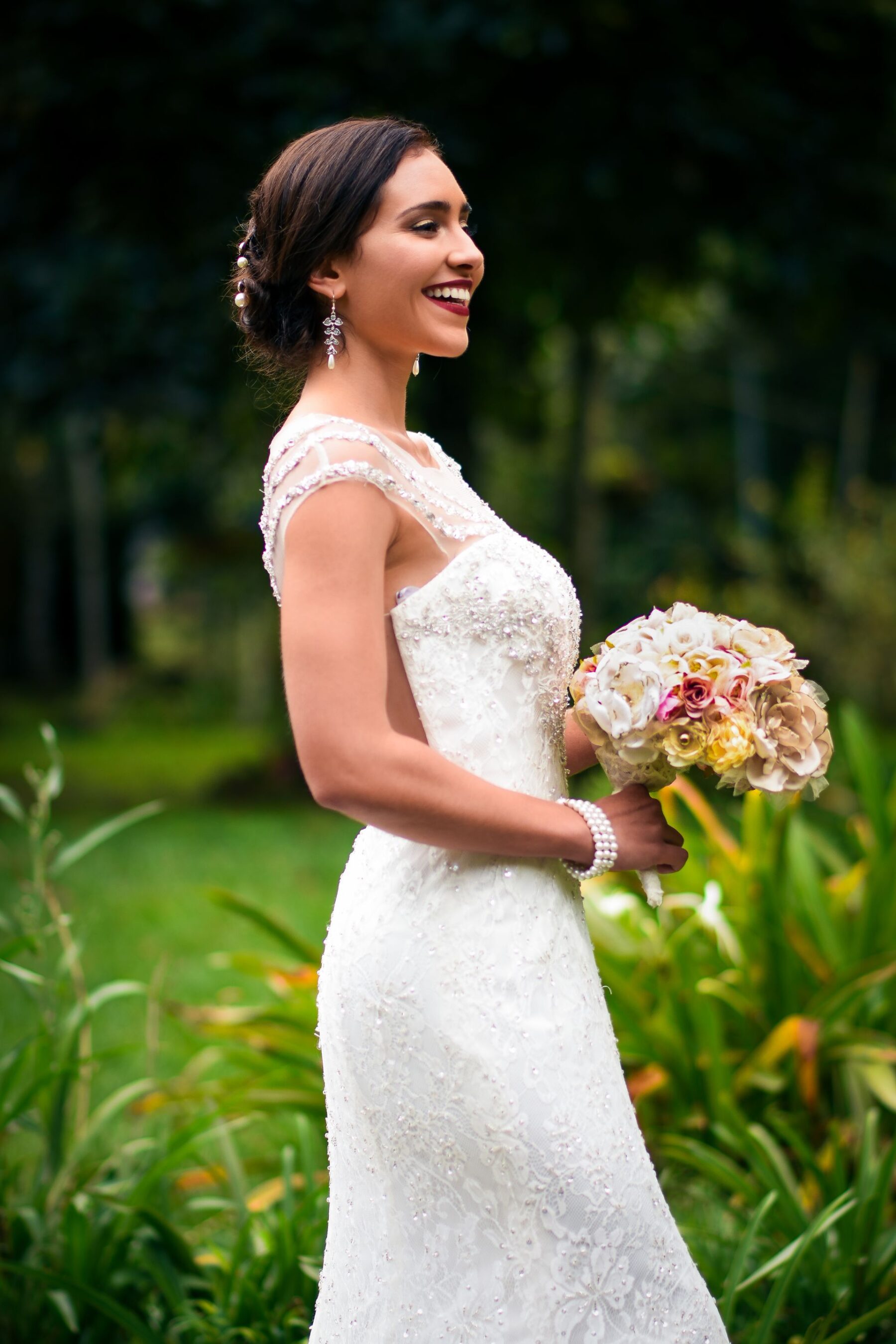
The alternative a great many couples choose: complete the legal marriage quietly at home, usually in a registry office with two witnesses, and treat the Italian day as a symbolic ceremony. You get exactly the same wedding, in exactly the same villa, with none of the administrative risk. Nobody at the reception can tell the difference, and it removes the one thing in the whole plan that could genuinely go wrong.
Neither option is better. But deciding which one you’re doing should happen early, because it affects your timeline more than any other single choice.
When to Go
September and early October are the best weeks in both places, and it isn’t close. The crowds have thinned, the heat has broken, the light turns amber in the late afternoon, and the food is at its peak — Tuscany during harvest is a different place. Late April through early June is the second window, with flowers at their best and slightly more rain risk.
July and August are beautiful and difficult. The heat is real, the popular venues are full, and prices carry a premium. A structured gown on a Tuscan terrace in August is an endurance event, and your older guests will feel it.
November through March is quieter, cheaper and genuinely atmospheric — Venice in winter mist is extraordinary — but demands flexibility. Venice in particular sees high water in late autumn, which is manageable if you’ve planned for it and miserable if you haven’t.
What Both Chapters Have in Common
Lead time and local knowledge, in that order.
For a peak-season proposal, six to nine months is a comfortable runway; three to six works in shoulder season. For a wedding at a sought-after villa on the lake, eighteen to twenty-four months is not excessive for a summer or early autumn date. Tuscany runs slightly shorter, but not much.
And the knowledge that makes the difference is stubbornly local. Which canal is empty at seven. Which table on which terrace at which hour. Which villa garden turns gold at a particular point in October and looks flat an hour later. Which caterer can actually handle forty covers on a hillside with no kitchen. That kind of detail isn’t on any website, including this one. It’s accumulated by people who work in one place for years.
Italy doesn’t ask you to be impressive. It asks you to show up prepared, and then it handles the rest.