

The trend toward eco-friendly weddings has gained significant momentum as environmentally conscious couples seek to celebrate their love while minimising their ecological footprint. From biodegradable confetti to farm-to-table catering, sustainable wedding choices allow couples to align this significant life event with their environmental values.
However, as couples navigate the growing marketplace of “green” wedding options, it’s crucial to recognise that “sustainable” doesn’t automatically mean “safe.” Some seemingly eco-friendly alternatives may present unexpected health hazards that could impact the well-being of the couple and their guests.
This article explores potential health concerns that might be overlooked in the pursuit of sustainability. We’ll offer practical guidance on how to plan a celebration that’s both environmentally responsible and genuinely safe for everyone involved.
Hidden Toxins in Natural Decor
The appeal of natural materials in wedding decor is undeniable. Branches, wildflowers, moss, and other elements bring an authentic, earthy aesthetic to celebration spaces. However, these natural elements can harbour unexpected hazards that careful planning can mitigate.
Certain flowers and plants commonly used in wedding arrangements can cause allergic reactions ranging from mild skin irritation to respiratory distress. According to The Bolton News, lilies are highly toxic and can cause severe reactions if their pollen is transferred to the mouth or eyes.
Oleander, another common ornamental plant, can be fatal if ingested. Even household favourites like philodendron can cause painful gastrointestinal issues if chewed.
To address these concerns while maintaining a natural aesthetic:
- Work with florists who specialise in seasonal, local blooms with lower allergenic properties
- Request documentation of organic growing practices from suppliers
- Consider heat-treating foraged elements to eliminate potential pests
- Incorporate air-purifying plants like eucalyptus that can improve air quality
Chemical Sterilisation in Wedding Supplies
The wedding industry’s increasing focus on sustainability has led many couples to explore rental options for everything from table settings to decorative elements.
However, this eco-friendly approach raises important questions about how these reusable items are sanitised between uses. This concern has grown particularly relevant in light of recent litigation surrounding common sterilisation methods.
Ethylene Oxide (EtO), used to sterilise medical devices in the United States, has become the centre of significant health concerns and legal action. The ethylene oxide lawsuit has drawn attention to this chemical’s classification as a known human carcinogen by the International Agency for Research on Cancer.
TruLaw reports that legal action is being explored against entities responsible for exposing individuals to EtO, with potential claims available for those affected. In response, the EPA has introduced guidelines aimed at minimising EtO emissions and enhancing protections for workers in the sterilisation sector.
When selecting rental companies, couples should inquire about sanitisation protocols, specifically asking about chemical sterilisation methods. Request information about:
- Whether ethylene oxide or other chemical sterilants are used in their process
- What safety protocols are in place to ensure that residues don’t remain on items
- Alternative sanitisation methods like steam cleaning, UV light treatment, or environmentally friendly antimicrobial solutions
Chemical Concerns in Wedding Attire and Preservation
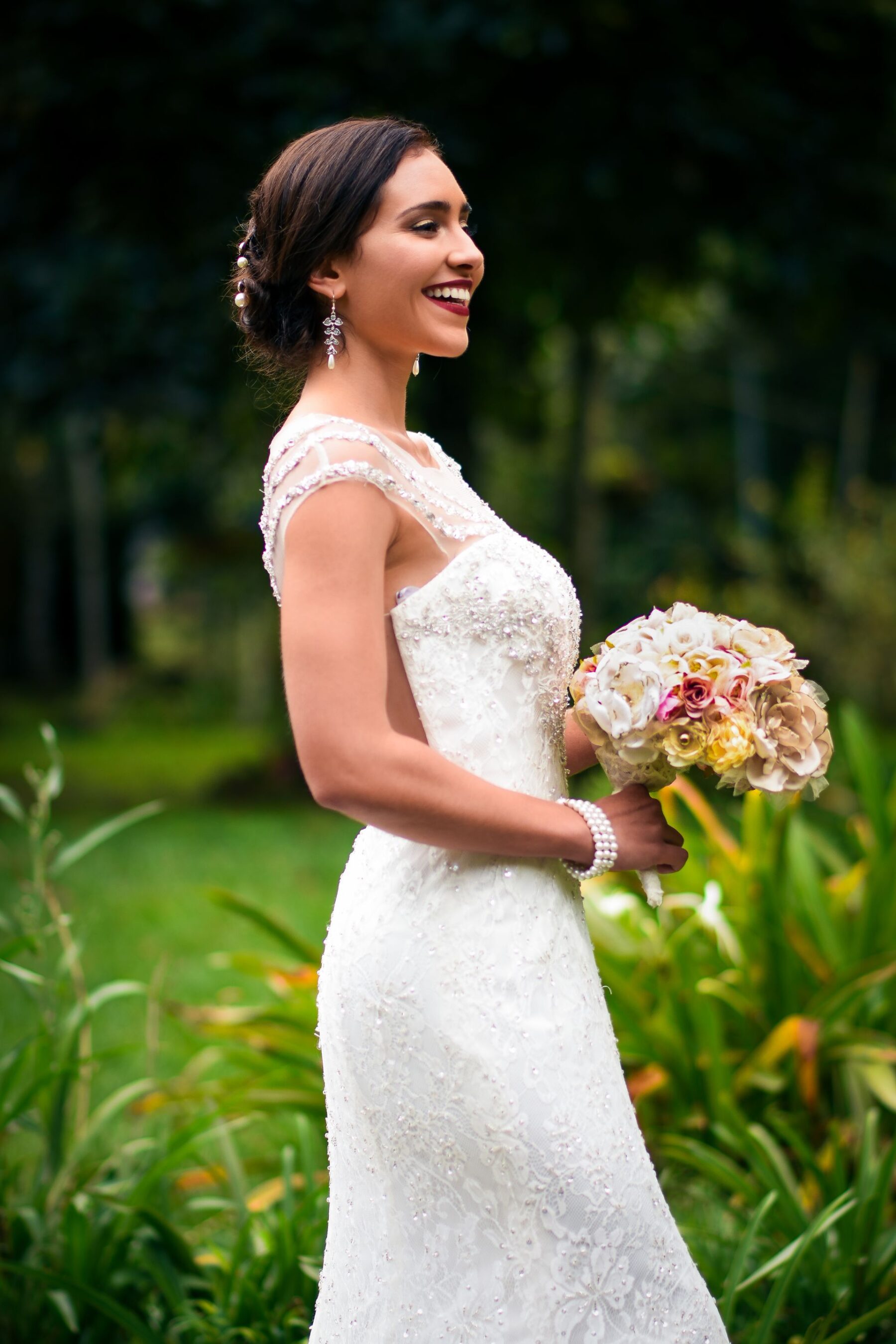
The production of wedding attire often involves chemical processes that can leave residues affecting skin health and respiratory function. Conventional fabric manufacturing utilises numerous chemicals. They include formaldehyde in wrinkle-resistant treatments, phthalates in synthetic fabrics, and various dyes containing heavy metals.
The preservation process for wedding dresses presents additional considerations. Traditional dry cleaning often uses perchloroethylene (PERC) and trichloroethylene (TCE).
According to The Independent, both PERC and TCE have been linked to kidney cancer and other serious health problems. In response, the EPA recently proposed banning most uses of PCE and managing remaining uses under strict regulation. It has also moved to ban the manufacture, import, and use of TCE entirely.
To minimise exposure:
- Seek out GOTS (Global Organic Textile Standard) certified fabrics
- Choose naturally derived dyes like plant-based or mineral options
- Wash new garments before wearing, including undergarments worn with wedding attire
- Investigate “wet cleaning” or liquid carbon dioxide cleaning as alternatives to traditional preservation methods
Food Service Safety Beyond Organic Labels
Sustainable wedding catering often emphasises organic, locally sourced ingredients. However, the focus on these admirable sustainability credentials sometimes overshadows basic food safety considerations that prevent foodborne illness.
Farm-to-table catering presents unique safety challenges, particularly when events occur in non-traditional venues with limited food preparation facilities. According to Earth.Org, transport bottlenecks have become a significant issue, disrupting the timely movement of perishable food items. Even minor delays can lead to spoilage, food waste, and inflated logistics costs due to detours and additional fuel usage.
Raw or minimally processed foods, while nutritionally superior and less resource-intensive, carry higher contamination risks. Items like unpasteurised dairy products, fermented foods, and raw seafood offerings require stringent handling protocols.
To ensure food safety:
- Verify that caterers maintain appropriate certifications regardless of their sustainability focus
- Ensure adequate facilities exist for proper food handling at non-traditional venues
- Consider food-safe serving temperatures when planning outdoor or extended receptions
- Communicate clearly about allergens and cross-contamination protocols
Electronic Waste and Digital Alternatives
Many couples opt for digital alternatives to traditional paper-based wedding materials, such as e-invitations and QR codes directing guests to online programs. This shift reduces paper use and printing waste, aligning with eco-conscious values.
According to Brides, modern wedding etiquette now supports digital save-the-dates, offering couples more flexibility in how they announce their big day. This approach allows them to reflect their personalities while still maintaining a sense of formality, even if some traditionalists continue to prefer physical copies.
However, not all digital solutions are good for the environment. The production of electronic devices used to access digital wedding materials involves rare earth minerals. These minerals are often mined under concerning labour conditions, and manufacturing processes that release significant toxins.
To balance these concerns:
- Consider the full lifecycle impact when choosing between digital and physical options
- Opt for responsibly sourced paper products (FSC-certified, recycled content) when physical materials are necessary
- Provide alternatives for guests with limited tech access or sensitivity to screens
Frequently Asked Questions
What is the hardest part of planning a wedding?
One of the hardest parts of planning a wedding is balancing expectations. This includes managing differing opinions from family, staying within budget, and making choices that reflect the couple’s vision. Coordinating vendors, timelines, and guest logistics while staying emotionally present can also add significant stress throughout the planning process.
How can organic labels be misleading?
Organic labels can be misleading if products contain ingredients that are processed or treated in ways that don’t align with consumer expectations. For instance, some products may be labelled as organic but still use harmful chemicals in production or during preservation. This misleads consumers seeking truly chemical-free options.
What were wedding dresses made of?
Wedding dresses were traditionally made from luxurious fabrics like silk, satin, lace, and tulle. Historically, these materials symbolised wealth and status. In modern times, wedding dresses can be crafted from a variety of fabrics, including chiffon and organza. Cotton blends are also used, with designs reflecting both traditional and contemporary fashion.
Creating a truly sustainable wedding requires looking beyond marketing claims to consider comprehensive health and safety implications alongside environmental impact. The key lies in applying critical thinking to every aspect of wedding planning.
Most meaningful sustainability isn’t just about reducing ecological footprints but about creating celebrations that care for people and the planet alike.