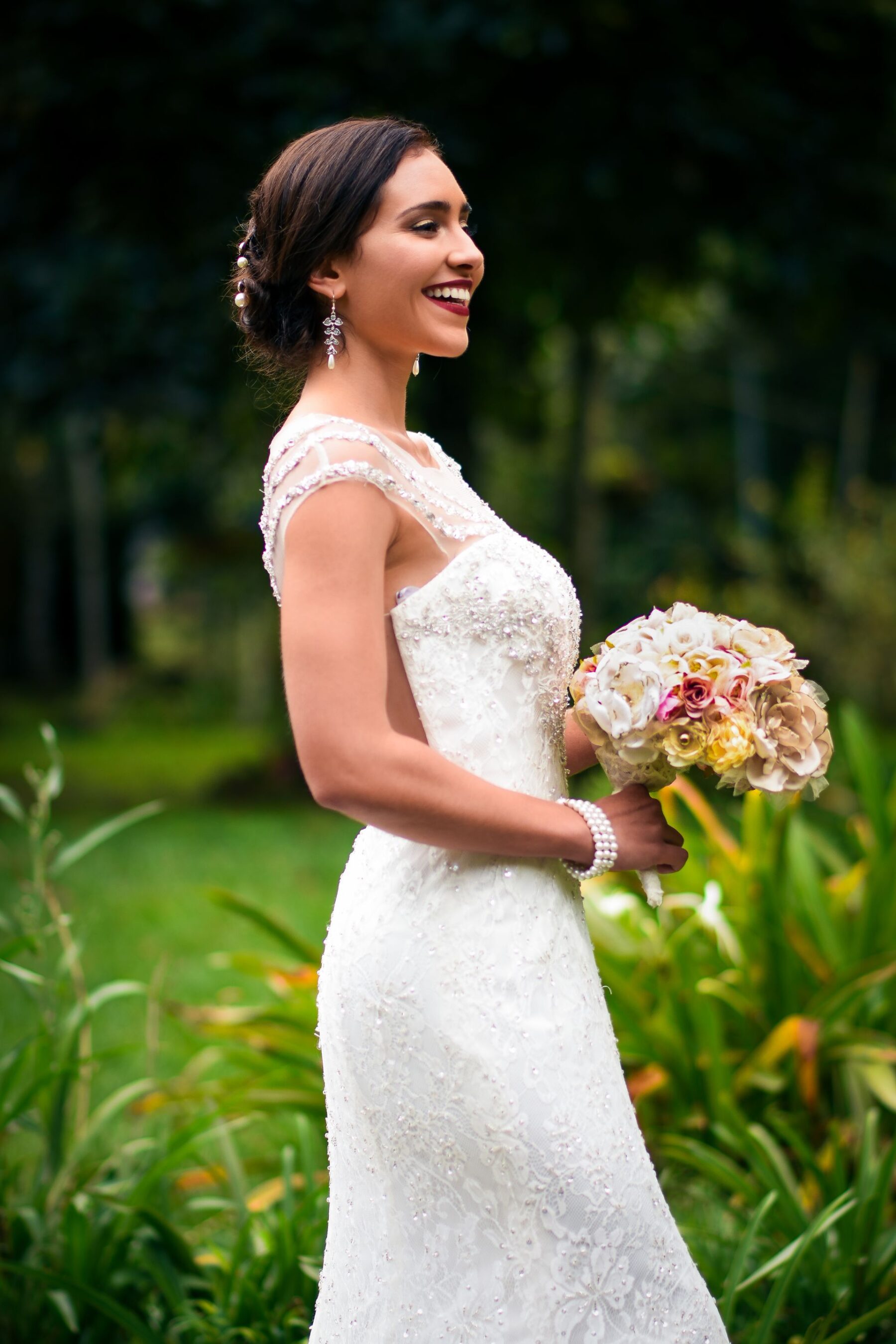

Choosing a destination wedding is rarely just about warmer weather; it’s about selecting a location where the surroundings become part of the celebration. When you step away from conventional hotel grounds or countryside marquees, the backdrop itself does the heavy lifting of your event design.
From soft limestone facades in southern Europe to frozen alpine ridges, these five European destinations show how architecture and landscape can shape the atmosphere of a wedding ceremony.
Noto’s Honey-Gold Baroque Streets Set the Ceremony Scene
In the southeastern corner of Sicily, Noto is built almost entirely from local soft tufa limestone. When the late afternoon sun hits the town’s central axis along Corso Vittorio Emanuele, the facades glow in shades of deep amber and honey. Many ceremonies take place in the late afternoon, when the changing light softens the limestone and photographers can capture the warm glow across the cathedral steps and surrounding piazzas without the harsh midday sun.
The grand staircase of the 18th-century Cattedrale di Noto leads to the cathedral, framed by carved balconies with wrought-iron grilles, stone cherubs, and oversized Corinthian capitals. Couples hosting extended celebrations in the Val di Noto often split their schedule between urban palazzi and private country estates, with many browsing exclusive holiday villas in Sicily to accommodate family and friends near the historic centre.
For wedding dinners, the golden stone walls remove the need for elaborate staging. Long banquet tables dressed in crisp white linen, with branches of local olive and lemon foliage, echo the textures of the surrounding piazzas.
Oia’s Blue Domes Sit Above a 400-Metre Caldera Drop
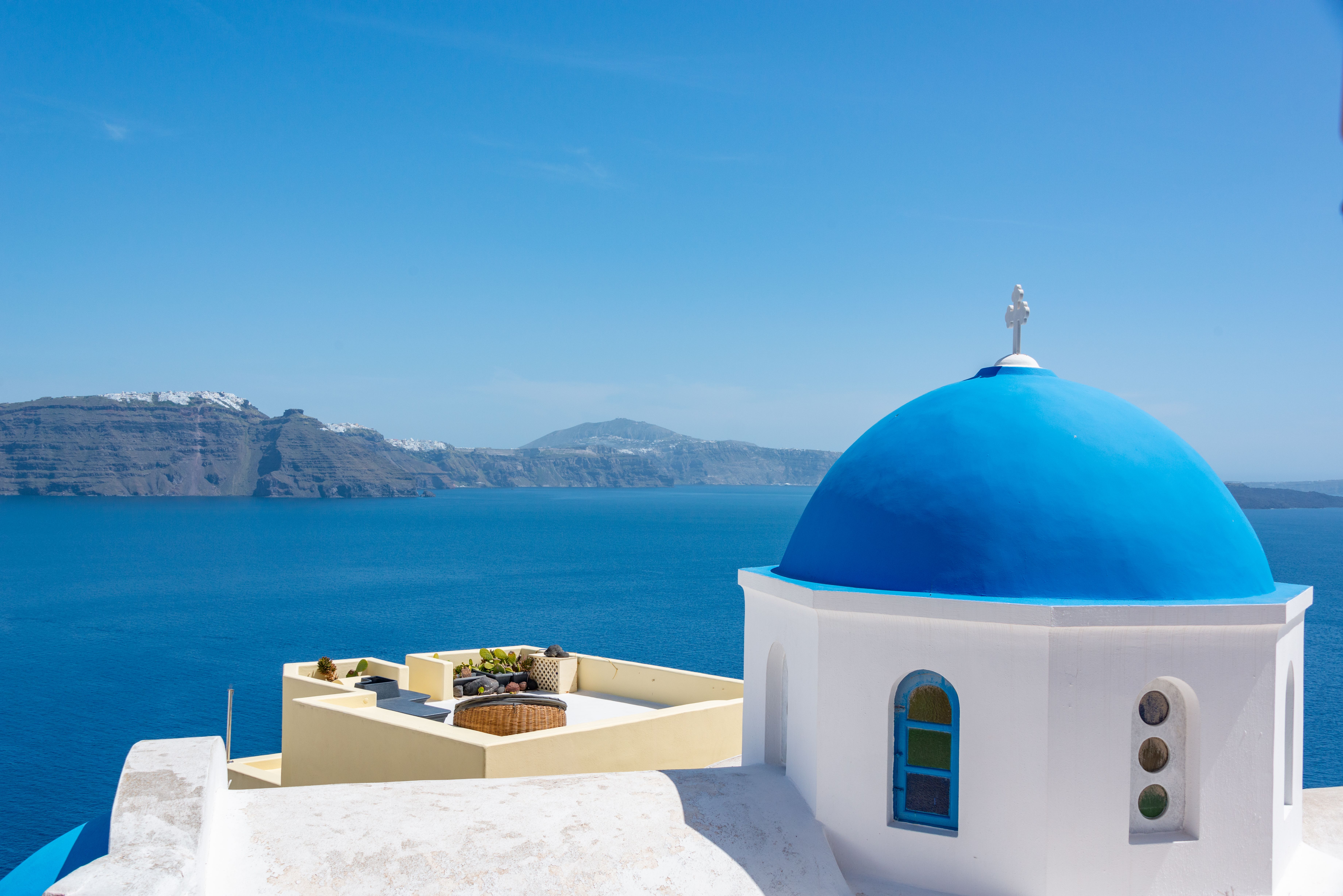
Clinging to the sheer cliffs at the northern tip of Santorini, Oia rises above a landscape shaped by volcanic history. Whitewashed cubic structures descend the rock face toward the Aegean Sea, capped by the iconic cobalt-blue domes of Panagia Platsani and the churches of Agios Spiridonas.
The narrow pedestrian lanes and stepped terraces naturally separate guests from busy public viewpoints, allowing photographers to capture uninterrupted views across the caldera while keeping the ceremony space intimate.
A ceremony positioned along Oia’s cliff-edge terraces sits directly above a 400-metre drop into Santorini’s flooded caldera. Bright white lime wash, deep blue paint, and dark, porous volcanic basalt create a dramatic visual contrast. Because these cliffside terraces have limited space, long floral aisles give way to simple metallic frames that keep the focus on the open sea.
Courchevel 1550’s Chalets Face the Snow-Capped Vanoise Peaks
For winter celebrations, Courchevel 1550 is defined by an alpine landscape dominated by dense larch forests, deep snowpack, and the jagged grey limestone peaks of the Vanoise Massif. Winter ceremonies are timed for late afternoon, when the light reflects across the surrounding snowfields and the mountains take on the pink tones of alpenglow before sunset.
At an altitude of 1,550 metres, ceremony settings shift indoors to private chalets featuring heavy timber beams, floor-to-ceiling glass, and central stone fireplaces. The interiors at Chalet White Sand Courchevel 1550 reveal weathered oak, brushed slate, and wool throws framed by direct views of the surrounding ski runs and alpine valleys. Couples can exchange vows on a snow-cleared wooden deck before gathering indoors for dinner by firelight and candlelight as dusk settles over the surrounding peaks.
The Algarve’s Ochre Cliffs Drop Straight Into Turquoise Water
Along Portugal’s southern coastline near Lagos and Carvoeiro, towering sandstone headlands rise up to 45 metres above the Atlantic Ocean. The rock face displays rich bands of rust-orange, ochre, and pale mustard yellow, eroded over centuries into natural arches, sea stacks, and secluded coves like Ponta da Piedade.
Many cliff-top venues sit above the coastal walking trails, giving guests uninterrupted sea views while keeping the ceremony safely set back from the cliff edge.
A ceremony atop these clifftops sets warm ochre rock against the clear green-blue waters of the Atlantic Ocean. Natural sea breezes help keep guests comfortable during late-afternoon and evening ceremonies. Design elements can draw directly from the surrounding landscape: terracotta urns, dried pampas grass, native succulents, and low wooden bench seating keep the focus on the horizon where the cliffs meet the Atlantic.
Dubrovnik’s Ramparts Overlook Terracotta Roofs and the Adriatic
Encased within two kilometres of uninterrupted medieval stone walls, Dubrovnik’s Old Town sits on a rocky peninsula in the southern Adriatic. The fortress walls, rising up to 25 metres high and up to six metres thick, enclose a dense grid of Renaissance and Baroque architecture paved with smooth, pale limestone.
Because the Old Town is largely pedestrianised, guests can walk easily between ceremony venues, historic squares, and reception locations throughout the celebration.
Ceremony locations set high on the ramparts or within historic strongholds like Revelin Fortress look directly down across a sea of overlapping terracotta roof tiles (kupari), punctuated by church spires and bell towers. The contrast between aged grey stone masonry, warm orange roofs, and the deep blue of the open sea creates a dramatic backdrop for the ceremony. Evening receptions held within stone courtyards need little more than suspended festoon lights to highlight the carved stone archways and historic masonry.
Design Tip: When marrying in front of major architectural or natural landmarks, keep floral structures open and linear. Solid backdrops or dense floral arches can block the landscape that drew you to the location in the first place.
Which skyline will your vows sit under?
Whether framed by the honey-coloured Baroque stone of Sicily, the dramatic cliffs of Santorini, alpine peaks in the French Alps, Portugal’s sandstone coastline, or Dubrovnik’s medieval walls, these locations demonstrate how architecture and landscape can shape a wedding ceremony with minimal additional styling.
Rather than relying on elaborate floral installations or oversized décor, the architecture and natural surroundings become the centrepiece of the celebration.