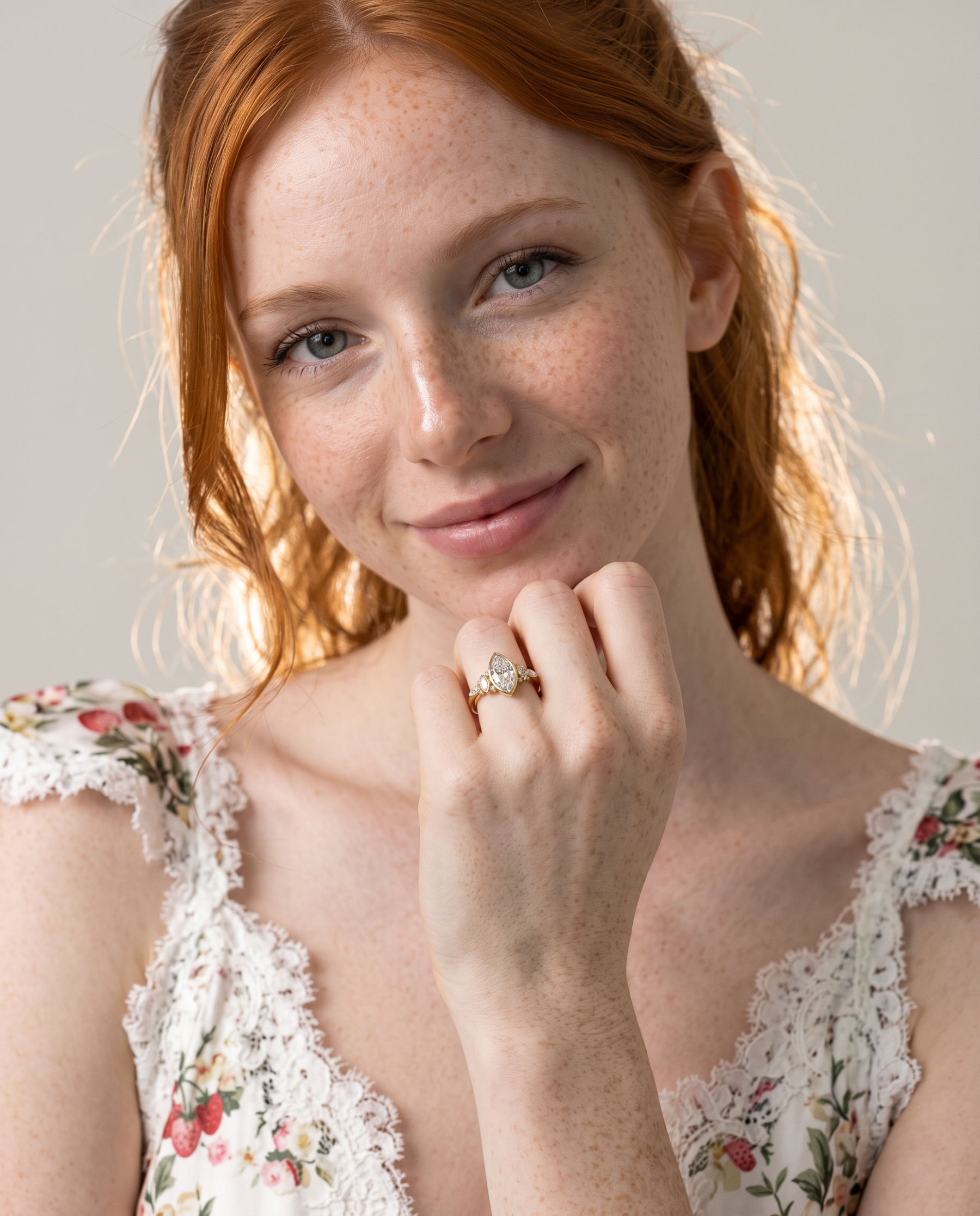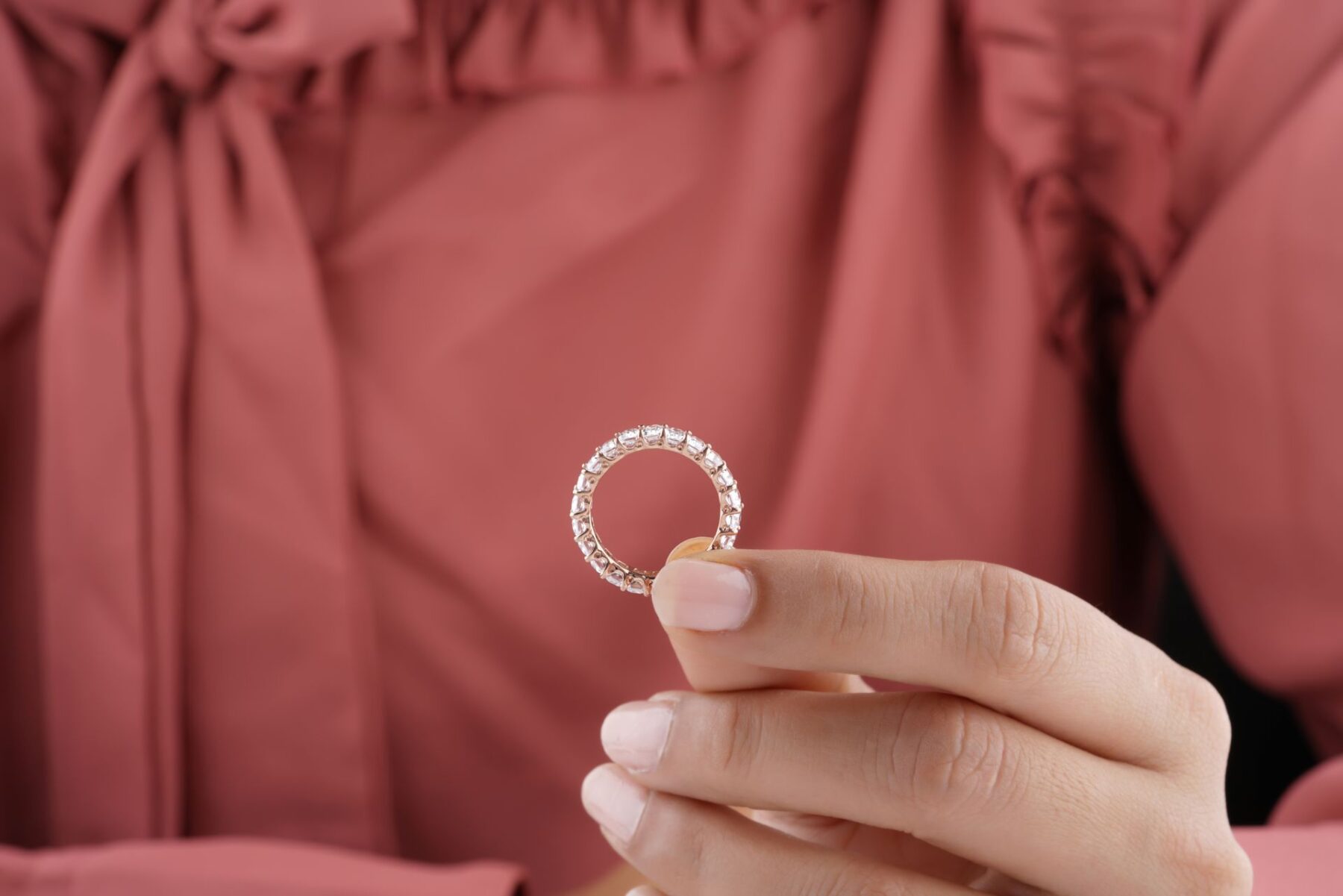
Diamonds aren’t the default any more. Here’s why couples are choosing sapphires and other gemstones for better value, colour and everyday wear.
For most of the last century, choosing an engagement ring meant choosing a diamond. It was the default so firmly set that questioning it barely felt like an option. That’s shifting. More couples are working through the decision with a calculator in one hand and a Pinterest board in the other, and diamonds aren’t always winning the argument. The reasons are rarely about romance falling short. They’re about ring wearing, budgets and getting a result you’ll still love in twenty years, not just on the day you say yes.
The value equation is shifting
Diamond pricing is driven by a grading system that rewards tiny, often invisible differences in clarity and colour with disproportionate jumps in cost. Two stones that look identical to the naked eye can carry wildly different price tags because of inclusions only a jeweller’s loupe will ever find. Coloured gemstones don’t play by the same rules. A well-cut sapphire delivers noticeably more visual size, more saturation and more presence per pound spent, because its value is built around beauty rather than a narrow set of laboratory metrics. For couples working to a defined budget, that difference adds up fast. You end up choosing between a smaller diamond that ticks every technical box, or a larger, richly coloured stone that simply looks like more ring.
Durability that matches how you actually live
A ring isn’t a special-occasion piece. It’s worn cooking dinner, at the gym, gardening, doing the school run and everything in between, which means durability matters as much as looks. Diamond sits at the top of the Mohs hardness scale at 10, but sapphire isn’t far behind at 9, putting it comfortably ahead of popular alternatives like emerald or opal, both of which chip and scratch far more easily under daily wear. That gap matters in practice. Sapphire can handle knocks against door frames, the odd forgotten glove and years of hand washing without losing its shine or needing constant re-polishing. It’s a stone built for a ring you actually wear, not one you take off and put away for safekeeping.
Colour with the confidence of the classic
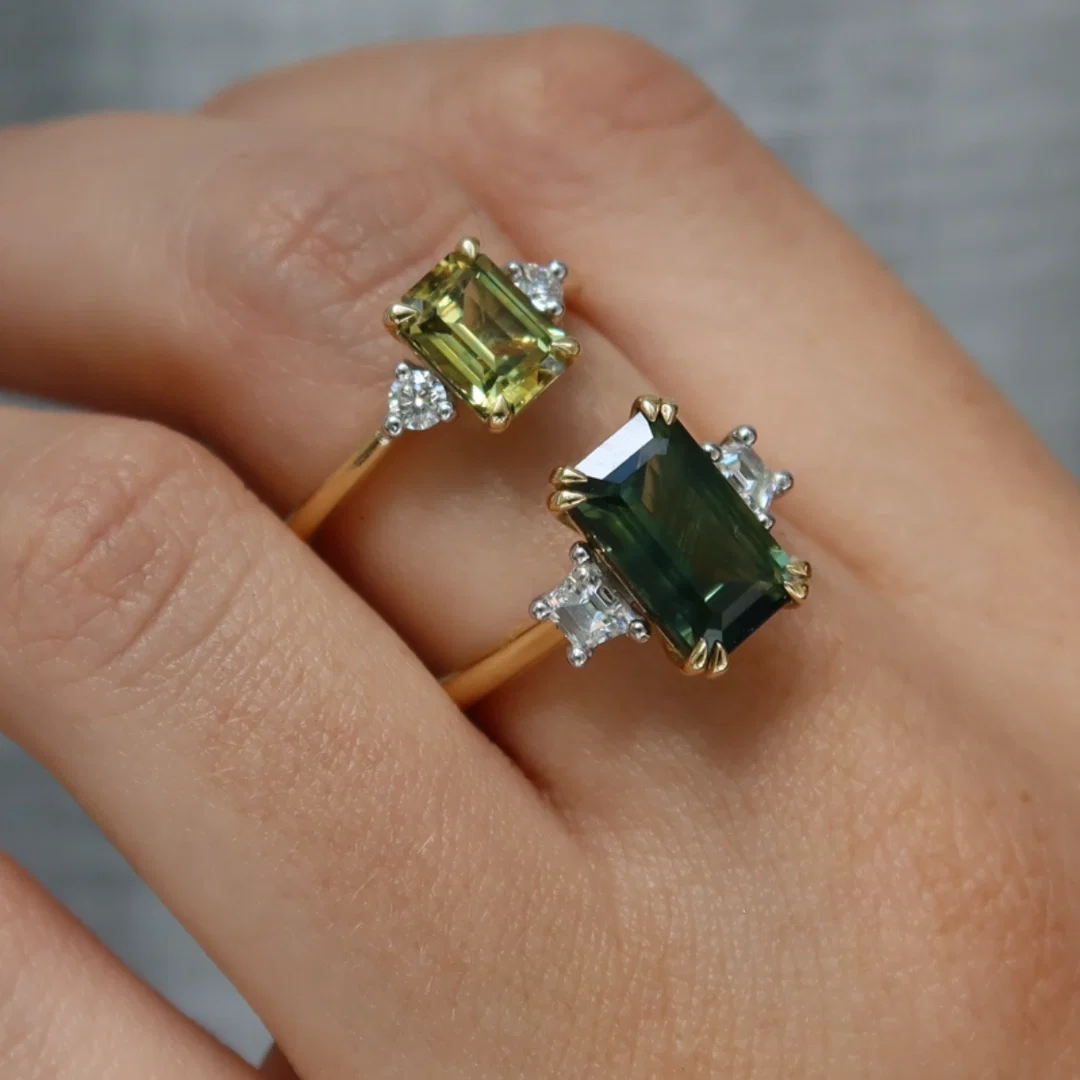
Part of the appeal is simply having a ring that looks like nobody else’s. A deep blue sapphire reads as considered and distinctive without straying into territory that will feel dated in a decade, and it pairs just as well with platinum, white gold or yellow gold as a diamond ever did. Couples exploring sapphire engagement rings are often drawn in by exactly this combination: a stone with real history and symbolism behind it, paired with the everyday practicality that made diamonds the safe choice in the first place. You get a ring with genuine character, without gambling on durability to get it.
What to check before you buy
Shopping for a coloured gemstone does mean asking slightly different questions than you would for a diamond. Cut matters even more, since it’s what brings out a sapphire’s colour and brilliance, so look for a stone cut to maximise depth of colour rather than just carat weight on paper. Ask where the stone was sourced, as provenance is easier to verify with sapphires than it sometimes is with diamonds, and a reputable seller should be able to tell you exactly where yours has come from. Consider the setting too. A bezel or protected setting adds another layer of everyday security, particularly if your hands are rarely idle. None of this makes the process harder, it just shifts your attention to the details that actually affect how the ring performs once it’s on your finger for good.
Choosing what fits your life, not just the tradition
None of this is an argument against diamonds outright. For plenty of couples, a diamond remains exactly the right choice, and that’s a completely reasonable place to land. What’s changed is that it’s no longer the only reasonable place to land. Couples are increasingly comfortable asking practical questions of a decision that used to run entirely on tradition, and coloured gemstones are answering those questions well. If you’re weighing up your own options, it’s worth trying a few stones on before you decide anything. The right ring is the one that still looks and feels right after years of actual wear, not just the one that ticks the traditional box.